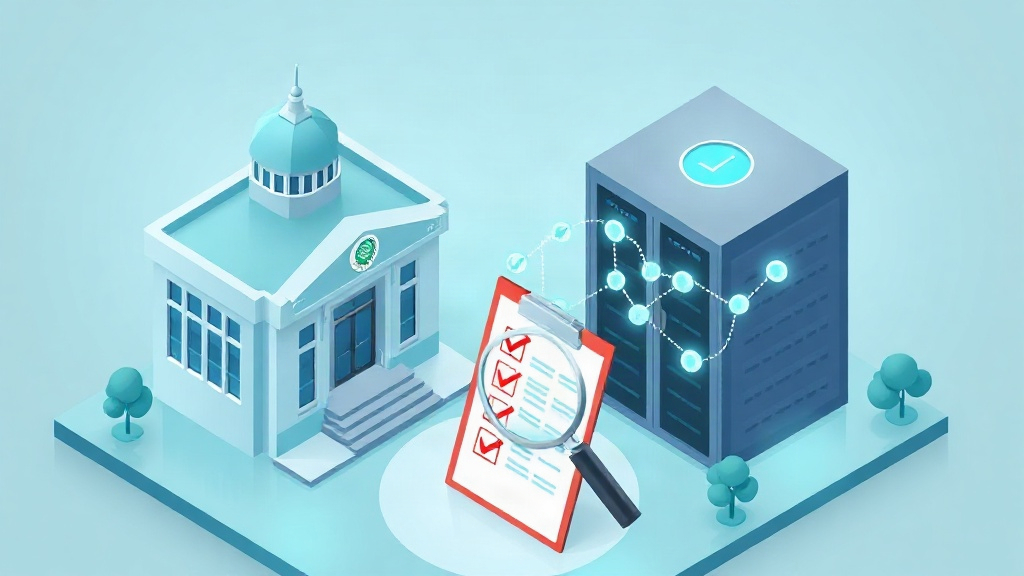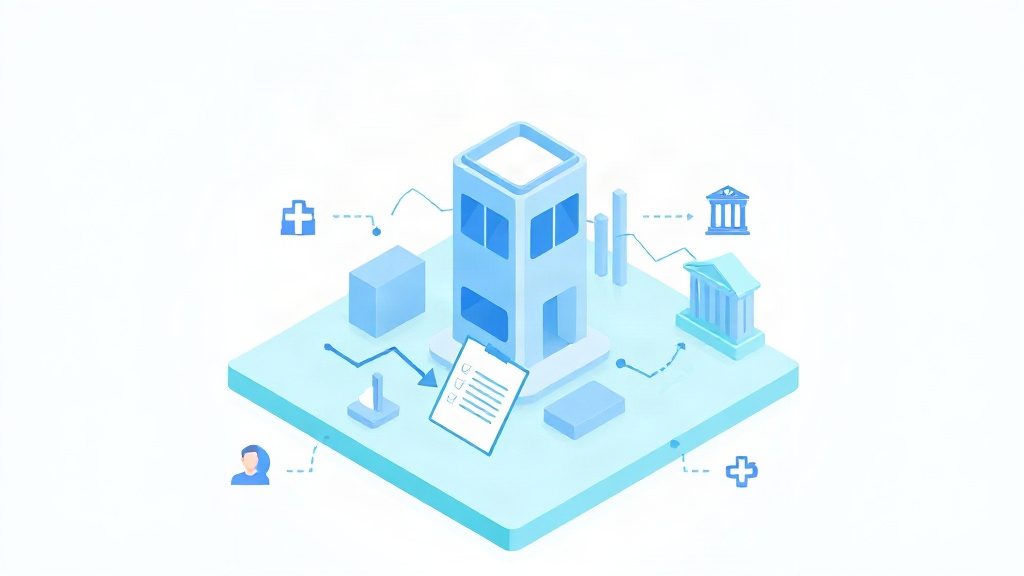

Quick Answer: Front-end development services for enterprise and regulated organizations cover interface design, UI engineering, and integration with backend systems, data, and AI capabilities. The work may involve connecting existing systems, managing user permissions, and supporting audit and reporting requirements. The scope depends on whether a project needs a new interface, an application built around existing systems, or a complete platform.
Front End Development Services Built for Complex, Regulated Systems
Front end development services cover the design, coding, and integration of the interface layer that users interact with, connected to the systems running behind it. For government departments, infrastructure authorities, and regulated industries, that interface layer has to work with existing data systems, authentication rules, and reporting requirements from day one.
For government and enterprise projects, choosing a front-end development provider involves more than comparing frameworks. The interface needs to work with existing backend logic, data pipelines, and audit requirements. These dependencies influence the architecture, scope, testing, and maintenance of the finished system.
Worth Knowing: When front-end and backend development happen separately, integration gaps can surface late in the project. Agreeing on data structures, API contracts, permissions, and responsibilities early can help reduce avoidable rework.
What Our Front End Web Development Services Include
Front end web development services at this level include interface design, component engineering, and the connective work that ties a UI to live backend systems. The scope goes beyond visual screens into how data moves, how roles are enforced, and how the interface holds up under real operational load.
Depending on the project, our front-end development work can involve:
- Custom Software Development for the application logic behind the screens
- Platform Development for multi-module systems used across departments or business units
- Data Monitoring & Analytics integration so dashboards reflect live, accurate data
- NLP & Computer Vision interfaces where front ends need to surface model outputs to end users
- AI-Powered Decision Engines connected to the UI layer for case routing, scoring, or approvals
For example, an interface used to review cases may need to bring together data from existing systems, display information according to user permissions, and surface a score generated by an AI model. The front-end work needs to account for how these components interact, not just how each screen looks.
Front-End Development Service for Government, Fintech, Healthcare & Enterprise
A front-end development service for regulated sectors has to account for compliance and audit requirements as part of the interface design, not as an afterthought. Government departments need role-based views that match clearance levels. Fintech platforms need transaction interfaces that log every state change. Healthcare systems need screens that respect data access rules tied to patient records.
Red Flag: If a vendor cannot describe how their front-end components handle audit logging or access control without pointing to a third-party plugin, the team likely has not delivered in a regulated environment before.
Compliance requirements need to be considered across the application, not just the front end. Permissions, audit trails, and data-handling rules all need to work with the underlying systems. Our Architecture & Security Review can help identify gaps and assess these requirements before deployment or as the system evolves.
Front-End Development Vs. Full AI-Powered Platform Development
Front-end-only delivery covers the interface layer alone, while full platform development covers the interface plus the backend, data, and AI systems it depends on. Enterprise and regulated buyers often need the second option, because an interface disconnected from governed data and decision logic creates compliance gaps later.
| Dimension | Front-End-Only Delivery | Full AI-Powered Platform Delivery |
|---|---|---|
| Scope | UI screens and components only | UI plus backend, data, and AI integration |
| Data handling | Depends on client's existing APIs | Built alongside data pipelines and governance rules |
| Compliance ownership | Limited to interface-level controls | Covers access control, audit logging, and reporting end to end |
| AI/decision logic | Not included | Connected directly via decision engines and predictive models |
| Long-term fit for regulated sectors | Often needs a second integration phase | Designed for audit and scale from the start |
When a project needs to connect the interface to predictive models, automated workflows, or analytics, we can bring these components together as part of the wider application. For example, AI and machine learning capabilities can feed model outputs into an interface, while automation can connect those outputs to operational workflows.
Cost Consideration: Developing the front end and backend together can reduce integration rework when both layers need to be built or changed. If the backend is already stable and well documented, front-end-only delivery may be the more suitable option.
For organizations that already have backend systems in place and only need the interface layer rebuilt, front-end-only delivery can still make sense. But for new government or enterprise systems, the combined model avoids the rework described above.
Why Choose Aveosoft for Front-End Development Services
Our front-end development work brings together interface engineering and the data, automation, and decision systems that support an application. For projects where these components need to work together, we can address the interface as part of the wider software architecture.
A government or enterprise buyer should ask a vendor three things before signing:
- Can the team show front-end work connected to a live backend, not a static prototype?
- Does the team understand role-based access, audit logging, and data handling rules relevant to the buyer's sector?
- Is front-end delivery part of a broader platform capability, or a standalone handoff with no ownership of integration?
Our front-end development work can form part of a wider application that includes backend logic, data integration, and AI capabilities. Where a project requires a broader build, custom application development can bring these application layers together. The scope depends on the existing systems, integration requirements, and what the finished application needs to do.
Our Front End Development Process
Our front-end development process follows a defined sequence from discovery through integration and testing. The exact stages depend on the project, but a typical engagement includes:
- Discovery, mapping existing backend systems, data sources, and user roles before any screen is designed
- Design and prototyping, building interface flows that reflect real data states, not placeholder content
- Component build, coding reusable, testable front-end components tied to defined API contracts
- Backend and data integration, connecting the interface to live systems, including any AI or decision engine outputs
- QA and compliance testing, validating access control, audit logging, and performance under realistic load
- Handover and support, documentation and a maintenance path for ongoing updates
This sequence applies to projects involving process and workflow automation, data-heavy dashboards, and mobile-first field systems. Understanding the existing systems and data flows before development begins helps identify integration issues earlier.