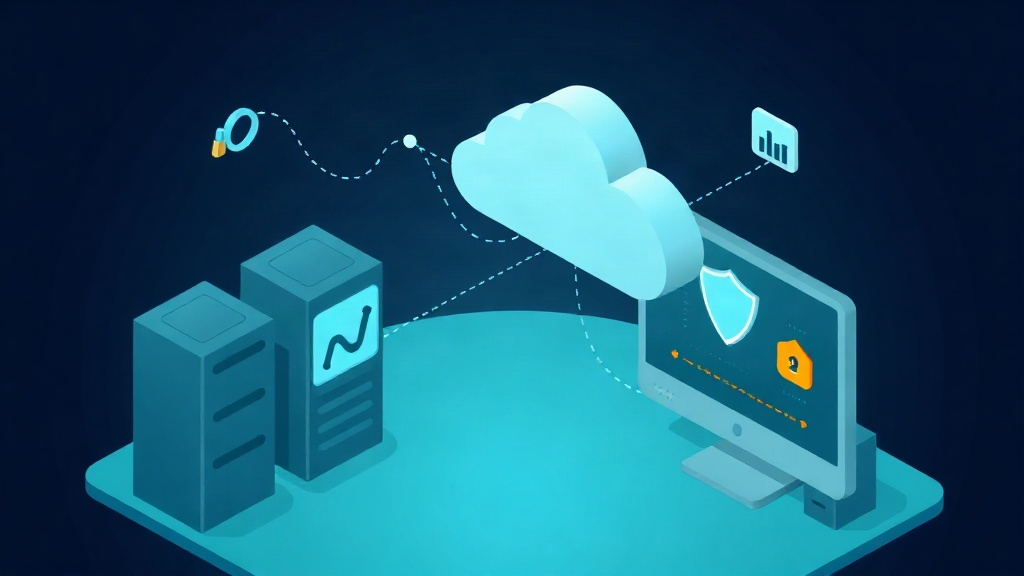


Quick Answer: IT infrastructure management services cover the ongoing monitoring, maintenance, and optimization of an organization's servers, networks, cloud environments, applications, and security controls, typically delivered by a third-party partner under a defined scope and service-level agreement rather than handled entirely in-house.
As an organization's technology environment grows, managing that infrastructure becomes harder to handle as a collection of individual tasks. More systems mean more updates, dependencies, monitoring, security requirements, and potential points of failure. At some point, ongoing infrastructure management becomes a dedicated operational responsibility rather than something an internal team can handle alongside everything else.
What Is IT Infrastructure Management?
IT infrastructure management services are the ongoing monitoring, maintenance, and optimization of the systems an organization runs its operations on: servers, networks, storage, cloud platforms, and the applications built on top of them. A provider takes responsibility for keeping these systems available, secure, and performing within agreed limits, instead of an internal team handling every incident alone.
For organizations with specific compliance, security, or operational requirements, this can also include a defined scope document, a service-level agreement, and audit trails showing who touched what system and when. The distinction matters: infrastructure management is operational and continuous, not a one-time setup project.
What's Included in Infrastructure Managed Services
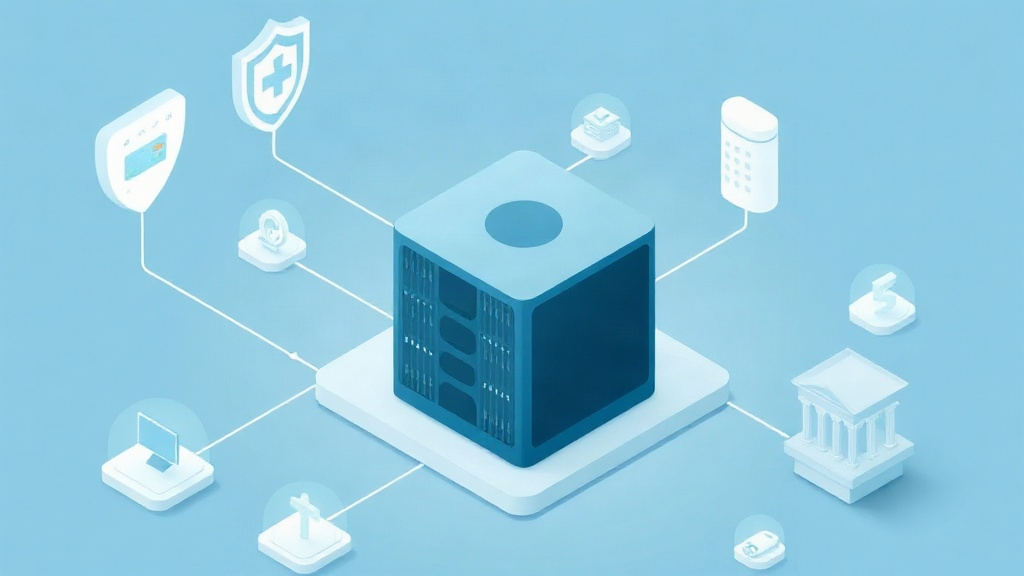
Infrastructure managed services typically bundle several operational layers under one contract rather than selling each as a separate line item. A single provider usually covers network and server monitoring, patch management, backup and disaster recovery, cloud resource management, and security operations like access control and threat detection.
Application Managed Services
Application managed services extend that coverage to the software layer: performance monitoring, bug triage, version updates, and integration maintenance for the applications running on the infrastructure. This matters when an agency or enterprise runs custom platforms rather than off-the-shelf tools, since application issues often trace back to infrastructure configuration.
Data Monitoring & Analytics
Data monitoring and analytics tracks system health, usage patterns, and anomalies across the environment in near real time. It feeds the dashboards and alerts that let a managed services team catch a failing disk or an unusual login pattern before it becomes an outage or a compliance incident.
Worth Knowing: A scope document that excludes application-layer support can leave gaps when infrastructure and application issues need to be investigated together.
Cloud Managed Services Vs. On-Prem Infrastructure
Cloud managed services and on-prem infrastructure management solve the same operational problem with different tradeoffs in control, cost structure, and compliance posture. A cloud-managed service shifts hardware ownership to a cloud provider while the managed services partner handles configuration, scaling, cost optimization, and security within that environment. On-prem management keeps hardware and data inside an organization's own facilities, which some government and healthcare environments require for data residency or air-gapped security reasons.
| Factor | Cloud Managed Services | On-Prem Infrastructure |
|---|---|---|
| Hardware ownership | Cloud provider | Organization |
| Scaling speed | Fast, elastic | Slower, hardware-bound |
| Data residency control | Depends on provider region | Full control |
| Typical fit | Enterprises with variable workloads | Agencies with strict residency rules |
| Upfront capital cost | Lower | Higher |
Many regulated organizations run a hybrid model: sensitive workloads stay on-prem while less sensitive, variable-demand workloads move to the cloud.
Who Needs Managed Infrastructure Services
Managed infrastructure services fit organizations that run critical systems but cannot or should not staff every specialty in-house. The clearest fit includes:
- Government departments and infrastructure authorities managing public-facing systems with compliance and uptime obligations
- Regulated industries, including fintech, healthcare, and legal, where audit trails and access controls are non-negotiable
- Large enterprises running custom platforms across multiple business units
- Growing organizations whose internal IT team is stretched across too many priorities
The value of a managed services contract depends on factors such as infrastructure complexity, uptime requirements, internal IT capacity, security needs, and the level of specialist support required. Organizations with simpler environments may instead choose lighter support arrangements.
Core Components of a Managed Infrastructure Program
A managed infrastructure program is typically built from these core components, each with its own monitoring and maintenance requirements:
- Network infrastructure: routers, switches, firewalls, and connectivity monitoring
- Servers and compute: physical or virtual machines running workloads
- Storage and backup: data storage systems plus backup and recovery processes
- Cloud and virtualization layers: provisioning, scaling, and cost management
- Applications: the software running on top of the infrastructure
- Security controls: access management, threat detection, and incident response
- Monitoring and analytics: dashboards and alerting across every layer above
Red Flag: A proposal that treats security monitoring as an optional add-on rather than addressing it clearly in the scope is worth examining closely.
Mapping these seven components against an organization's current environment, as outlined in Deloitte's work on infrastructure built for long-term resilience, is a useful exercise before any vendor conversation.
How to Evaluate an IT Infrastructure Management Partner
Evaluating a partner means checking their fit against the specific components and compliance requirements covered above, not just their marketing claims. Questions worth asking directly:
- Does their scope document name every component above, or does it leave gaps in application or security coverage?
- Can they show how they handle audit trails and compliance reporting for regulated environments?
- Do they offer both cloud and on-prem expertise, or push one model regardless of fit?
- What is their incident response process, and how is it documented in the SLA?
- Have they worked with organizations of comparable scale and regulatory exposure?
AveoSoft works with government departments, infrastructure authorities, and regulated enterprises on custom application development and AI-enhanced platforms, alongside data platforms and integration work built for compliance-heavy environments. For a deeper breakdown of scope and delivery models, see the full guide to IT infrastructure management services.
Ready to compare your current infrastructure setup against a managed services scope? Review the full IT infrastructure management guide to plan next steps.