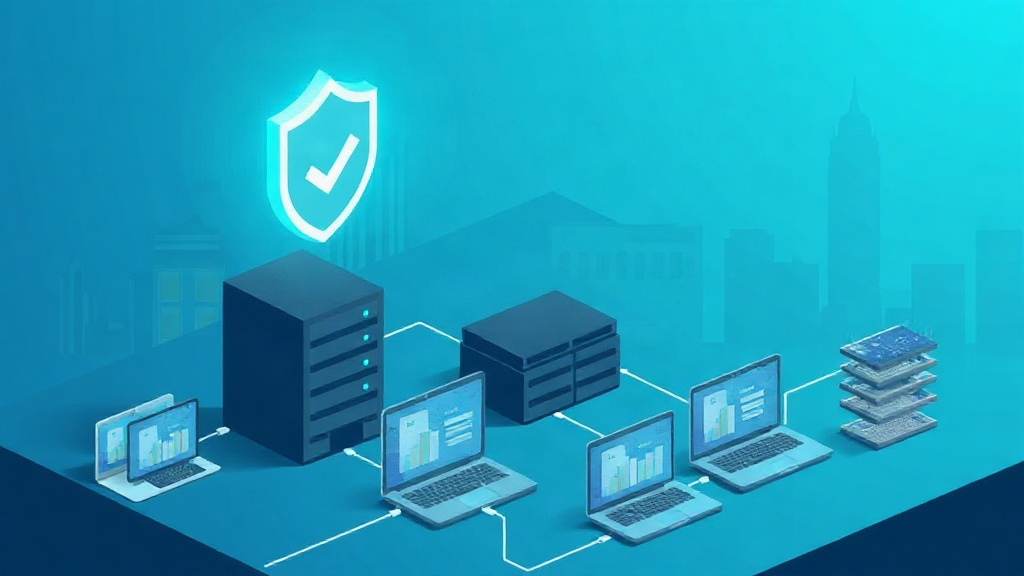

Quick Answer: Infra managed services hand off the monitoring, automation, and compliance work of running IT infrastructure to an external partner. For regulated and enterprise teams, the model must build audit-readiness and compliance into daily operations, not add it as an afterthought once systems are already live.
What Infra Managed Services Means for Your Organization
Infra managed services means an external partner takes operational responsibility for your infrastructure: monitoring systems, automating routine tasks, and keeping environments compliant and audit-ready on an ongoing basis. For a CTO or IT director at a government agency or regulated enterprise, that responsibility can't stop at uptime.
A government department or a fintech firm can't treat compliance as a separate workstream bolted onto infrastructure after the fact. Audit trails, access controls, and data handling rules have to be part of how the infrastructure runs day to day, not a quarterly cleanup project. That distinction is what separates a generic managed hosting arrangement from infra managed services built for regulated operations.
What Infra Management Services Include
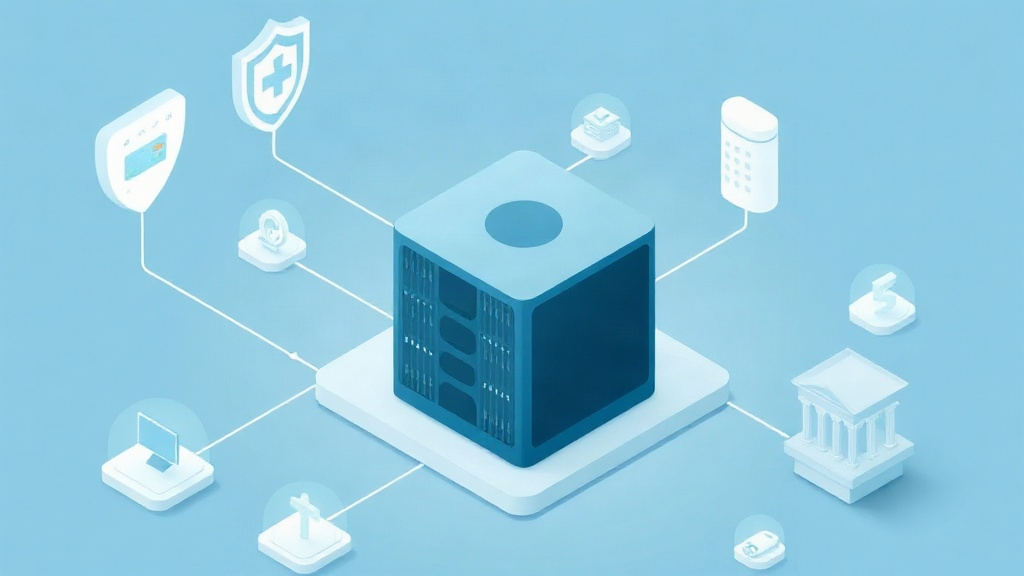
Infra management services typically combine four operational pillars: monitoring and analytics, automation, MLOps infrastructure, and compliance systems. Each pillar addresses a different operational risk, and regulated organizations usually need all four working together rather than as separate contracts.
| Pillar | Core Function | Why Regulated Teams Need It |
|---|---|---|
| Monitoring & Data Analytics | Tracks system health and data flows | Early detection reduces downtime and audit gaps |
| Automation & MLOps Infrastructure | Runs repeatable deployment and scaling tasks | Cuts manual error in high-stakes environments |
| Compliance & Audit-Ready Systems | Maintains logs, access controls, documentation | Supports regulatory review without scrambling |
| Platform & Data Infrastructure | Keeps data pipelines and platforms stable | Enables reliable reporting across departments |
Organizations evaluating vendors should look for providers who can show how these pillars connect, not just list them separately. For a deeper breakdown of how these services work for regulated environments, see this complete guide to IT infrastructure management services.
Monitoring & Data Analytics
Monitoring and data analytics means continuous visibility into system performance, data flow, and anomalies across an organization's infrastructure. This is the foundation layer: without it, automation and compliance work have nothing reliable to act on.
For regulated teams, monitoring also has to produce records that hold up under review. A missed alert or an unlogged event can become a compliance finding months later, not just an operational hiccup.
Worth Paying Extra For: Monitoring systems that automatically timestamp and retain logs for audit review, rather than dashboards that only show live status.
Automation & MLOps Infrastructure
Automation and MLOps infrastructure means using repeatable, managed processes to deploy, scale, and maintain AI systems and workflows without manual intervention at every step. This covers both intelligent automation for routine operational tasks and the infrastructure that supports machine learning models in production.
For enterprise teams running AI-powered decision engines or predictive analytics, MLOps infrastructure determines whether models stay accurate and auditable as data changes over time. Poorly managed MLOps often leads to model drift that goes unnoticed until it affects a decision with real consequences.
Compliance & Audit-Ready Systems
Compliance and audit-ready systems mean infrastructure that documents itself as it runs, so regulatory review doesn't require a separate reconstruction effort. This is the pillar that most differentiates infra managed services built for regulated buyers from generic IT outsourcing.
For a healthcare system, legal firm, or government department, audit-readiness touches access logs, data retention, and change tracking across every system component. Building this in from the start costs far less than retrofitting it after an incident or audit request.
Red Flag: If a vendor describes compliance as a "reporting add-on" rather than part of core infrastructure design, audit-readiness likely isn't built into daily operations.
Who This Is Built for (Government, Regulated Industries, Enterprise)
Infra managed services built for regulated operations serve government departments, infrastructure authorities, and regulated industries including fintech, healthcare, and legal organizations, along with large enterprises that need custom AI software. These are organizations where a system failure or data handling error carries regulatory or public-trust consequences, not just operational cost.
Decision makers in this category typically include:
- CTOs evaluating whether to build or outsource infrastructure operations
- IT directors responsible for uptime and security across departments
- Program managers coordinating infrastructure across multiple agencies or business units
- Department heads accountable for compliance outcomes in their function
This is a different buyer than a small business comparing hosting plans. The stakes, documentation requirements, and vendor evaluation process are all heavier.
How Aveosoft Approaches Infra Managed Services
Aveosoft works with government departments, regulated industries, and large enterprises that need infrastructure operations built around compliance and audit-readiness rather than treating them as a separate concern. Services span AI and machine learning, intelligent automation, predictive analytics, data monitoring and analytics, MLOps and AI infrastructure, and compliance and audit-ready systems.
That combination lets infrastructure, automation, and compliance work as one operational layer instead of three disconnected vendor relationships. For organizations exploring related work, Aveosoft's AI and software engineering solutions cover the broader platform and application layer that infra managed services typically support.
Signs You Need a Managed Infra Partner Now
Several patterns signal that in-house infrastructure management is no longer sustainable for a regulated or enterprise organization:
- Compliance audits require manual log reconstruction rather than existing documentation
- Internal IT teams spend more time on maintenance than on new system development
- Automation efforts stall because infrastructure wasn't built to support MLOps workflows
- Monitoring catches issues only after they've affected users or triggered a complaint
- Scaling to a new department or jurisdiction means rebuilding compliance processes from scratch
Any one of these signs points to infrastructure that is reactive rather than managed. Together, they usually mean the cost of staying in-house has exceeded the cost of bringing in a partner built for regulated operations.
Getting Started
Organizations ready to move from reactive infrastructure to a managed model should start by mapping which systems carry the highest compliance exposure. That assessment determines whether monitoring, automation, or compliance documentation needs attention first.
Review Aveosoft's guide to IT infrastructure management services to see how an architecture and security review can clarify where to begin.